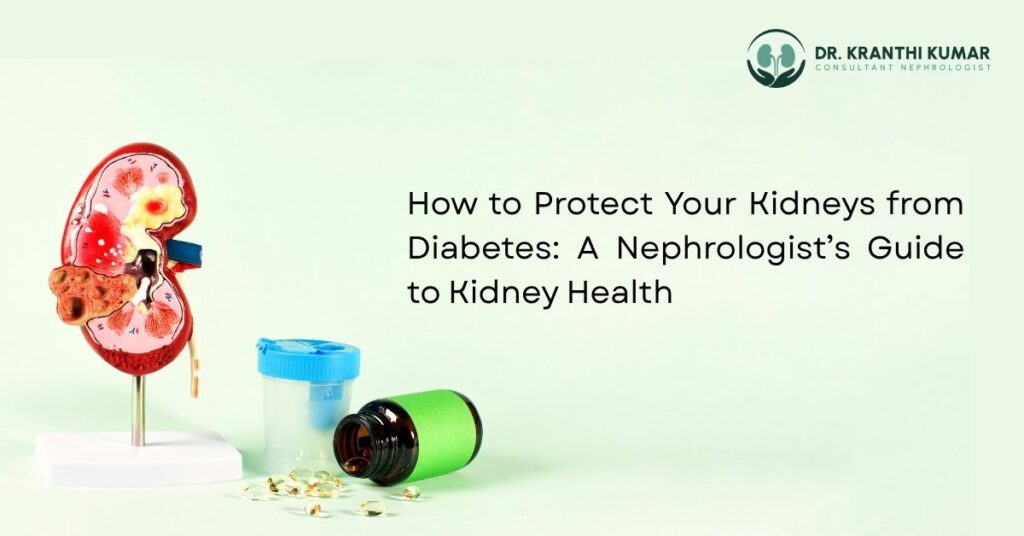
How to Protect Your Kidneys from Diabetes: A Nephrologist’s Guide to Kidney Health
Why diabetes affects the kidneys
Your kidneys act like filters — cleaning waste and extra fluid from your blood.
When blood sugar levels stay high for long periods, it can damage these tiny filters. Over time, this damage can lead to diabetic kidney disease, also called diabetic nephropathy.
This doesn’t happen overnight — it’s a slow process that can often be prevented or delayed with the right care.
Early warning signs
In the beginning, there are usually no symptoms. That’s why regular check-ups are so important.
Doctors can detect early kidney changes through two simple tests:
1. Urine test: Looks for protein (albumin) — an early sign of kidney stress.
2. Blood test: Measures creatinine to estimate kidney function (eGFR).
If detected early, kidney damage can often be slowed down or even stopped.
Steps to protect your kidneys
Control your blood sugar
This is the single most important step. Keeping your blood sugar close to your target range reduces kidney stress.
Your HbA1c should usually be below 7%, but your doctor may personalize your goal.
Keep blood pressure under control
High blood pressure and diabetes together are tough on kidneys.
Target: Below 130/80 mmHg (in most people).
Certain medicines, like ACE inhibitors (e.g., enalapril, lisinopril) or ARBs (e.g., losartan, telmisartan), protect both your heart and kidneys.
Use kidney-protective diabetes medicines
Newer diabetes drugs such as SGLT2 inhibitors (like empagliflozin or dapagliflozin) and GLP-1 receptor agonists (like semaglutide) not only control sugar but also protect kidneys.
If you have diabetes, ask your doctor if these medicines are right for you.
Watch your salt intake
Too much salt increases blood pressure and harms your kidneys.
Aim for less than 5 grams (1 teaspoon) per day, including hidden salt in processed foods.
Stay hydrated — but not overhydrated
Drink water when you’re thirsty. You don’t need to “flush your kidneys” by over-drinking — it doesn’t help and can sometimes be harmful.
Avoid unnecessary painkillers
Painkillers like ibuprofen or diclofenac can hurt your kidneys if taken regularly. Always consult your doctor before using them.
Quit smoking
Smoking worsens blood vessel damage and speeds up kidney disease progression.
Regular follow-up saves kidneys
Even if you feel fine, see your Nephrologist doctor every 3–6 months for:
• Blood pressure check
• HbA1c test
• Kidney function and urine protein tests